Blog
7 Top Small Business Ideas in India to Start Under ₹1 Lakh
Tired of top 10 small business ideas in india lists with no numbers? Get 7 picks with startup costs, margins and first steps, all under ₹1 lakh.
Published October 31, 2026
The top 10 small business ideas in India lists online keep repeating the same winners, so this article narrows them to seven that work with under ₹1 lakh. A good pick has a low startup cost, a customer you can name today, and income that does not depend on stock you might not sell. If you cook well, start with a tiffin service. Writers and marketers should look at freelance digital marketing, and teachers at tutoring. Designers can try print-on-demand, crafters can make candles, and anyone with a sewing machine can do tailoring. Organizers will do well with event planning.
The hard part is rarely finding ideas. It is choosing one that fits your cash, your skills and the hours you actually have, then landing the first paying customers quickly. Each idea below follows the same three steps: how it earns money, what it costs and what margin to expect, and who it suits and how to start. Cost figures are planning ranges, not quotes, so adjust them for your city.
Pi-Square helps small sellers in India take orders, bookings and payments through one shareable link, so you will see where that fits in a few of the ideas. The ideas stand on their own, though.
1. Tiffin service for workers and students
How it earns money
A tiffin service earns by selling monthly meal subscriptions to students, bachelors and office workers who miss home food. You cook in your own kitchen, pack in the morning, and deliver yourself or through a part-time rider. A subscription gives you predictable income and predictable grocery buying, which one-off food orders never do.
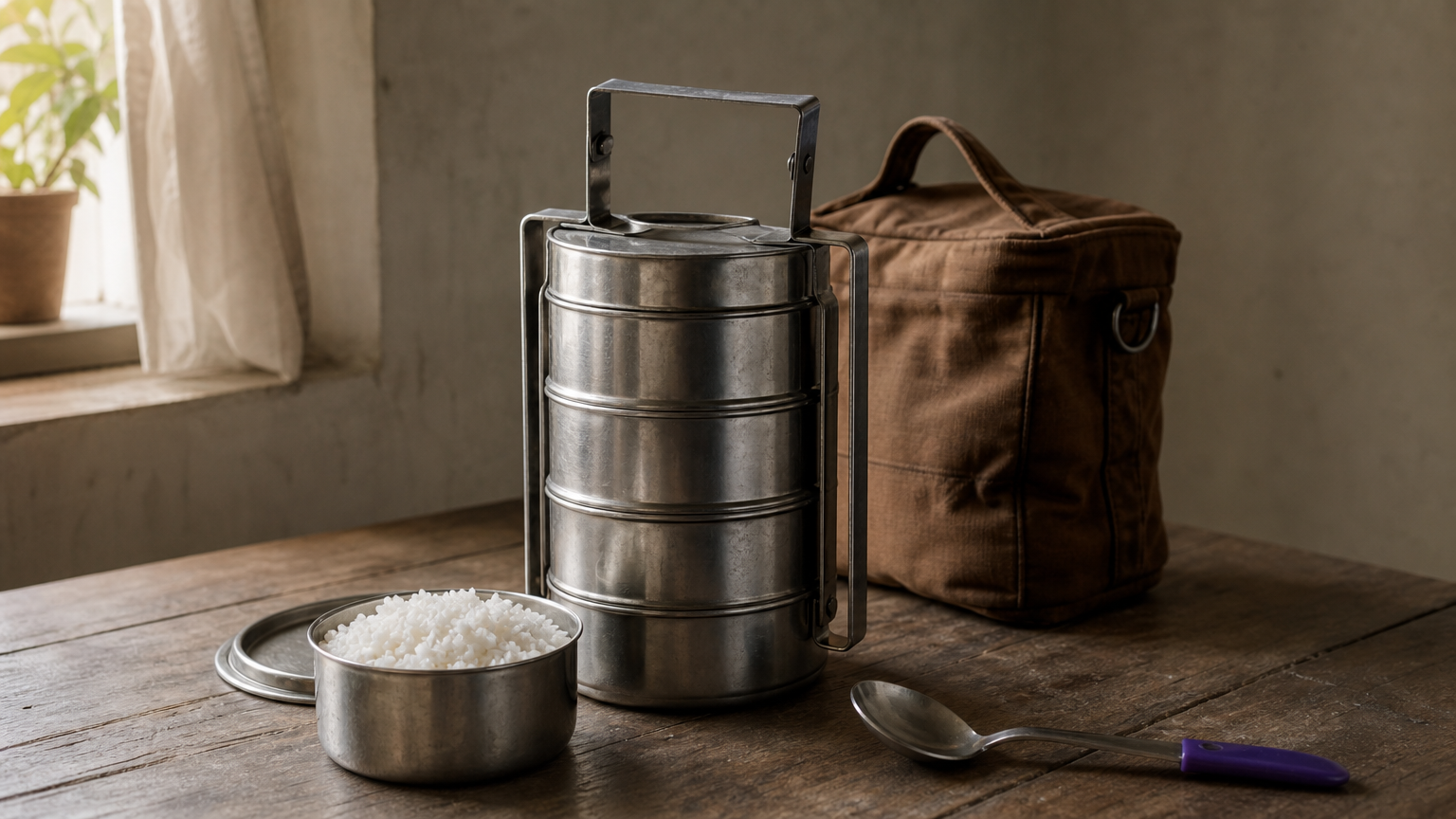
Monthly subscribers, not one-off orders, are what turn home cooking into a business.
Startup cost and margin
Budget ₹30,000 to ₹80,000 for steel containers, packaging, cooking vessels and the first month of groceries. Home food businesses like this often earn a 30% to 40% profit after ingredients and delivery. Here is an illustrative month:
- 25 subscribers at ₹3,000 each: ₹75,000 revenue
- Profit at 35%: about ₹26,250
- Add subscribers only when you can keep the taste consistent
Who it suits and how to start
This suits you if you can cook well in volume and live near offices, colleges or PG hostels. Start in this order:
- Get an FSSAI registration, which food businesses need. Small operators usually begin with the basic one.
- Offer a free trial meal to 10 people nearby and aim to keep five of them.
- Take orders on WhatsApp and record UPI or cash payments in Pi-Square, where manual payment tracking is free.
2. Freelance digital marketing services
How it earns money
Freelance digital marketing earns monthly retainers from local businesses that need social media posts, ads, SEO or content but cannot afford an agency. Clinics, bakeries, coaching classes and boutiques are the easiest first clients. You can serve them from home, and later serve clients in other cities too.
Startup cost and margin
Expect to spend ₹20,000 to ₹50,000 if you already own a laptop. The money goes on tools, a course or two, and a portfolio of sample work. Because you mostly sell your time, margins can run 70% to 80%. An example:
- 3 clients at ₹10,000 a month: ₹30,000 revenue
- Profit at 70% to 80%: about ₹21,000 to ₹24,000
You are selling skill, so your best investment is learning one channel deeply before adding others.
Who it suits and how to start
It suits writers, designers, marketing graduates and employees who want a side income before quitting a job. Follow these steps:
- Pick one niche, such as dentists or home bakers, so your pitch is specific.
- Build three sample posts or ad mockups for imaginary clients in that niche.
- Message 20 local owners with one concrete improvement for their Instagram or Google listing.
3. Tutoring and online coaching
How it earns money
Tutoring earns monthly fees per student for teaching school subjects, spoken English, coding, music or exam preparation. You can run batches at home or online, and you do not need to rent a classroom. Parents keep paying as long as results show, so retention is high.
Startup cost and margin
Your cost is usually under ₹10,000 for a whiteboard, a decent headset and basic teaching material. Costs stay almost nil, so margins of 70% or more are realistic. A simple month looks like this:
- 12 students at ₹1,500 each: ₹18,000 revenue
- Two batches of six keep your evenings manageable
A tutor’s real limit is hours in the day, so price for your time, not for the market’s lowest rate.
Who it suits and how to start
It suits teachers, recent graduates and subject experts who can explain clearly. Start with one subject and one grade. Run a free demo class, then fix batch sizes and collect fees in advance. A Pi-Square booking link lets parents pick a class and pay an advance without installing anything, and you can see who has paid in one place.
4. Print-on-demand and custom merchandise
How it earns money
Print-on-demand earns the margin between your price and the printer’s cost. You list designs, the customer orders, and a third-party partner prints and ships the product. You never hold stock, which makes this one of the newer small-scale business ideas with little risk. Schools, gyms, sports clubs and companies all buy branded merchandise.
Startup cost and margin
Plan ₹15,000 to ₹50,000 for samples, design software or freelance design help, product photos and a small ad budget. Margin depends on the print partner’s rates, so compare at least three before pricing. Order a sample of every product first, because print quality decides repeat orders.
Zero inventory means zero dead stock, but only if you test print quality before you sell.
Who it suits and how to start
Designers, creators and college students fit best. Pick a niche you understand, such as college fests, fitness groups or regional humor, and build 10 designs for it. You then need a store. On Pi-Square, the Free plan covers 100 items and 100 orders a month at ₹0, and Pro at ₹300 a month adds unlimited orders and a custom domain. Register for GST once your turnover crosses the prescribed limit.
5. Handmade candles and gift items
How it earns money
Handmade candles and gifts earn by selling personalized and festival products at a markup over materials. Candles are a top gifting choice at festivals and celebrations, and unique or personalized designs keep demand alive in the off-season. You can sell in bulk to shops and companies, or one piece at a time online.
Startup cost and margin
Start with ₹10,000 to ₹40,000 for wax, wicks, moulds, fragrance, jars and packaging. A common rule of thumb is to price at two to three times your material cost, but check that your time per piece is covered too. Margin comes mainly from design, packaging and story, not from the wax.
Who it suits and how to start
This suits patient makers who enjoy detail and can photograph their work well. Launch like this:
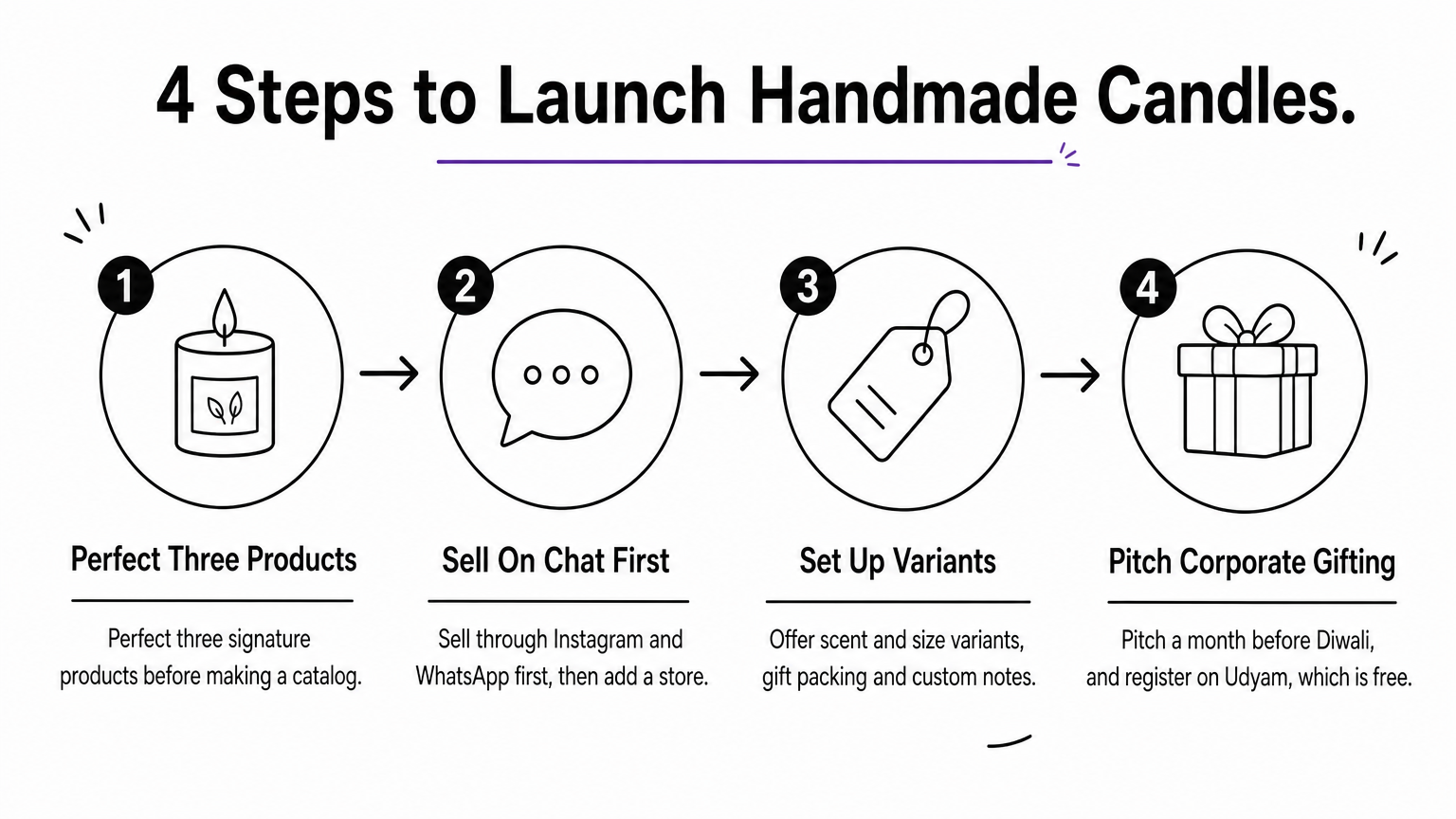
- Perfect three signature products before making a catalog.
- Sell through Instagram and WhatsApp first, then add a store.
- Set up variants such as scent and size, plus gift packing and custom notes, in Pi-Square so buyers choose without long chats.
- Pitch corporate gifting a month before Diwali, and register on Udyam, which is free.
Gifts sell on presentation, so spend your first rupees on packaging and photos.
6. Tailoring and alteration
How it earns money
Tailoring earns per garment stitched or altered, and demand has stayed steady for decades. Alterations bring quick repeat customers, while blouse, kurta and kids’ wear stitching brings higher-value orders. You are selling labour and skill, so material costs sit mostly with the customer’s own fabric.
Startup cost and margin
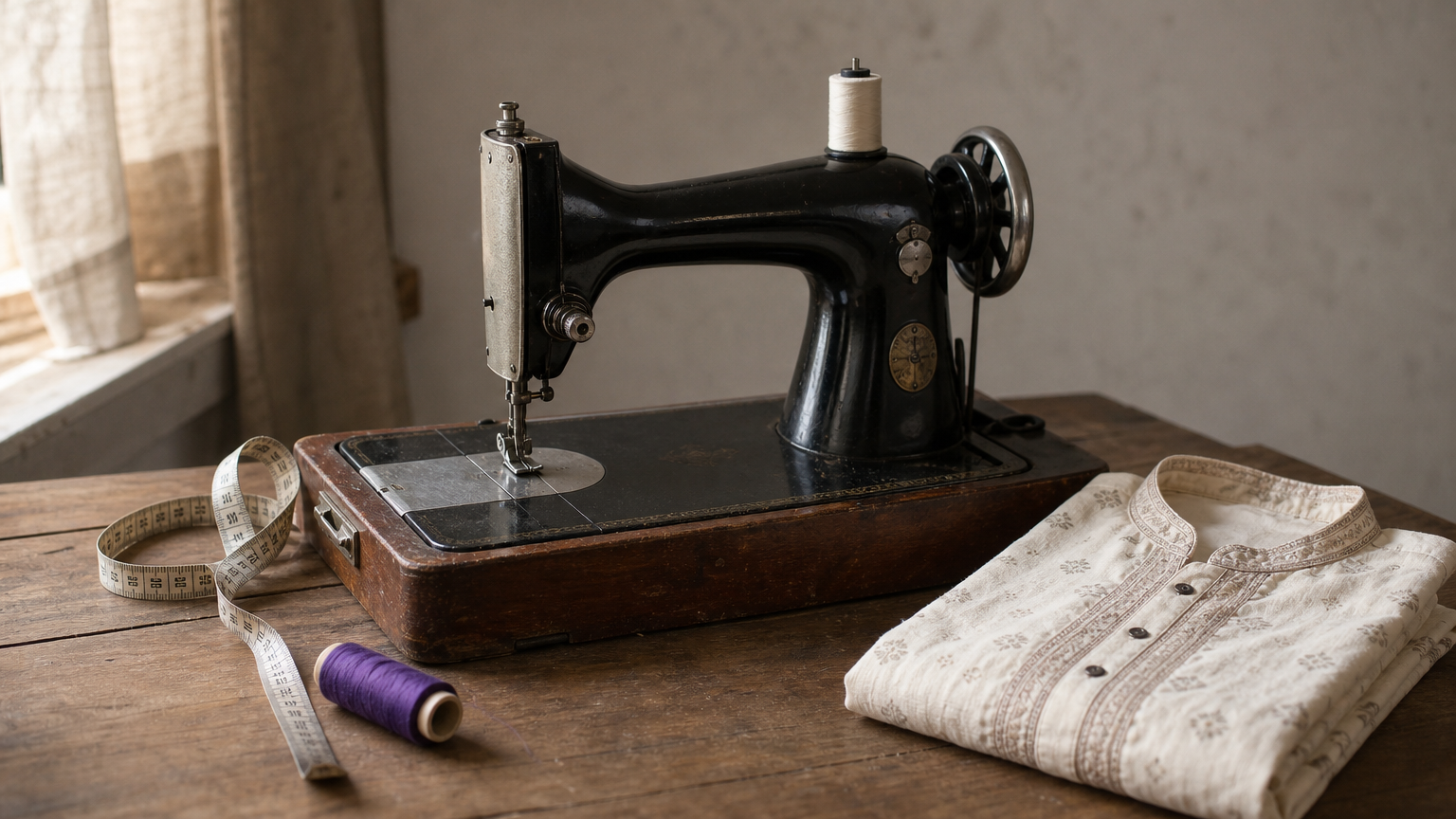
Budget ₹25,000 to ₹60,000 for a good machine, a table, measuring tools and basic accessories. The machine is your main cost, so buy for durability and not for features. If you need financing, PM Mudra Yojana’s Shishu category covers loans up to ₹50,000. Margins are high because little else is spent on each job.
Who it suits and how to start
It suits anyone who already sews well and likes working at home. Begin with alterations near housing societies, then add stitching once people trust your fit.
- Offer pickup and delivery, which most small tailors skip
- Take 30% to 50% as an advance on stitching orders
- Keep a notebook or digital record of every customer’s measurements
- Track order status so no festival deadline slips
Fit and punctuality bring repeat customers, not low prices.
7. Event planning for birthdays and small functions
How it earns money
Event planning earns a planning fee or a commission from vendors such as decorators, caterers and photographers. Birthdays, anniversaries, baby showers and office parties happen almost every week, so demand does not wait for wedding season. You organize the pieces, and your customer deals with only one person.
Startup cost and margin
Plan ₹20,000 to ₹60,000 for a sample décor kit, a portfolio of photos from small events, printed visiting cards and some local ads. Margins vary with your fee structure. An illustrative month looks like this:
- 4 birthday events at an ₹8,000 planning fee: ₹32,000
- Vendor costs are paid by the customer, so your cash exposure stays small
Who it suits and how to start
It suits organized, calm people who enjoy coordinating others. Start with small events where mistakes are cheap. Build a list of reliable vendors, and take an advance payment before booking anything. If you sell tickets, stalls or registrations for pop-ups and classes, a Pi-Square event booking link handles tickets and advance payments without any app download for guests.
Your vendor network is the real asset in this business, so protect it by paying on time.
Picking the one to start this month
Choose by what you already have. Cooks should start with tiffins, writers and marketers with freelance services, and teachers with tutoring. Designers can try print-on-demand, makers can try candles, sewists can offer tailoring, and organizers can plan small events. All seven stay under ₹1 lakh, so cash matters less than the skill you already hold.
Whichever you pick, test with five paying customers before you spend more. A small profitable business grows from repeat buyers, not from a perfect launch. When you are ready to take orders, bookings or payments from one link, you can start free with Pi-Square and upgrade only when volume demands it.