Blog
Low Investment Home Small Business Ideas in India: Top 6
Six low investment home small business ideas for India, each with a starting budget, rules to know and a plan to land your first customers.
Published October 28, 2026
The best low investment home small business ideas in India run on a skill you already have and a setup that costs under ₹30,000. Cooks should start with a tiffin service or a home bakery. Teachers and graduates suit online tutoring. If you sew, code or craft, then tailoring, freelance IT work and handmade products are your routes. A good pick has low setup cost, repeat customers and orders you can take from a phone.
Most lists of small business ideas in India give you 100 one-liners and skip the hard part: what it costs, which registration you need and where the first customers come from. This article covers six ideas in full, with a starting budget for each. The budgets are estimates, since prices change by city and supplier, so confirm them with local quotes.
Pi-Square helps small sellers in India take orders on WhatsApp and through a shareable link, so a few ideas below show how that part works in practice. Pick the idea that fits your skills, then test it with a handful of real customers before you buy anything big.
1. Home tiffin service
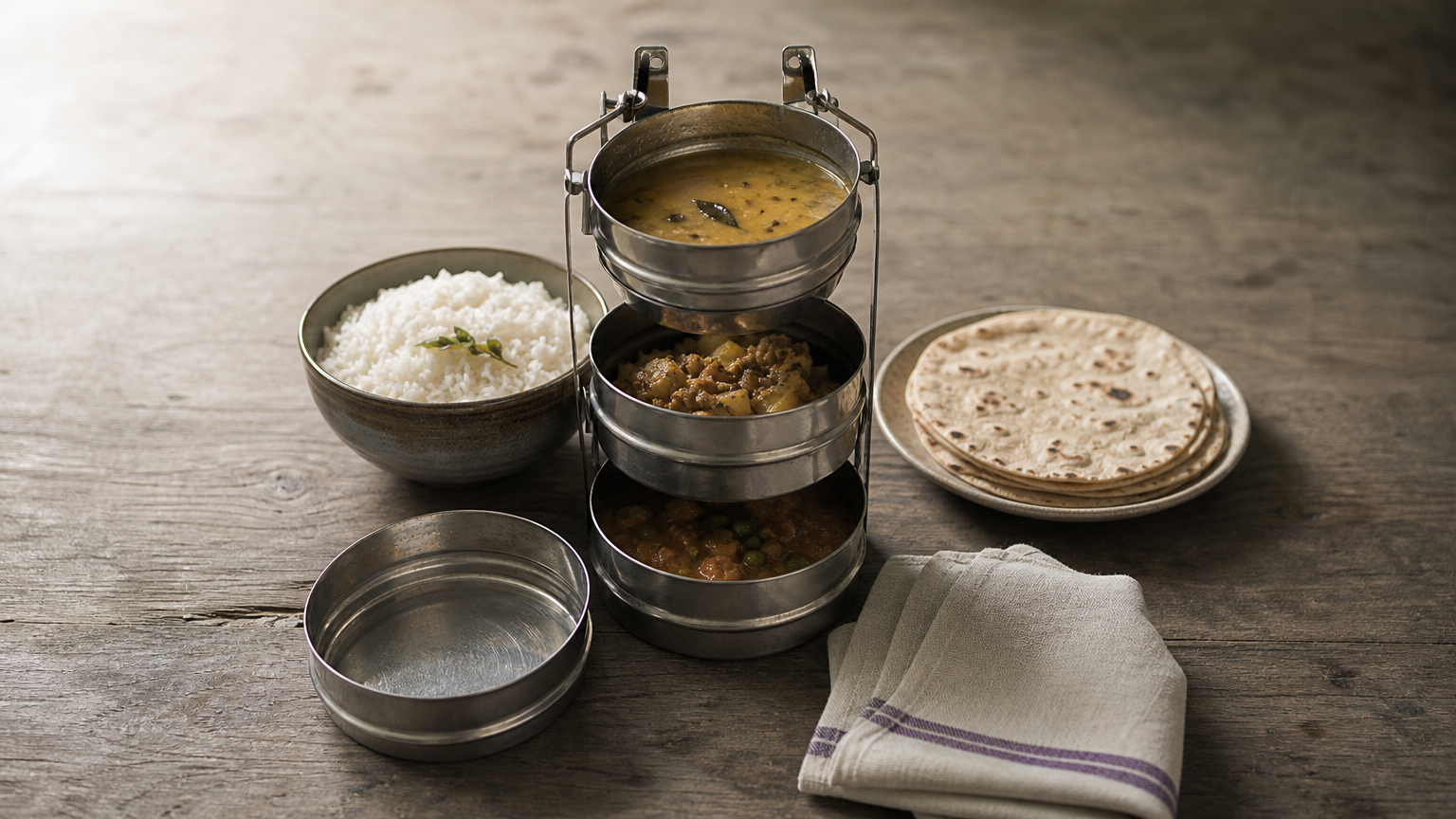
A tiffin service is a low investment home business where you cook daily home-style meals for office workers, students and bachelors living away from family, and deliver them on a subscription. Your home kitchen already exists, which keeps setup cost low.
How it works and who it suits
You publish a weekly menu, sell weekly or monthly subscriptions, cook in batches each morning and deliver within a fixed radius. Delivery can be you, a family member or a part-time rider. Demand is strongest near offices, colleges and paying-guest housing.
It suits people who cook well for a crowd and can keep to a clock. Prepaid subscriptions give you predictable monthly income, which most home ideas lack.
A tiffin business earns on repeat subscriptions, so reliability matters more than a long menu.
What it costs to start
Plan for roughly ₹28,000, and spend more only after your first month of orders.
- Extra cookware, a second burner and storage: ₹10,000
- Containers and packaging: ₹4,000
- First month of groceries: ₹12,000
- Printed menu and basic promotion: ₹2,000
- FSSAI basic registration: ₹100 a year
- Total: about ₹28,100
Food sellers need an FSSAI registration, and the basic one covers annual turnover up to ₹12 lakh. As a worked example, 15 tiffins a day at ₹100 for 26 days brings ₹39,000 a month in sales. Groceries, gas and delivery come out of that, so track them from week one.
Getting your first customers
Start with neighbours and nearby offices and offer a one-day trial tiffin. Pi-Square’s Free plan, at ₹0 a month, puts your menu behind one link with up to 100 orders a month, and you can log WhatsApp orders by hand to track payment and delivery status. Customers need no app.
Photograph the menu each week and share it in society and PG groups. Ask every subscriber for one referral.
2. Home bakery
A home bakery sells cakes, cookies, brownies and cupcakes from your own kitchen, mostly to order. Among low investment home small business ideas, it rewards customisation: name cakes, eggless versions and festival hampers.
How it works and who it suits
Customers message you on WhatsApp or Instagram, you confirm flavour, size and date, take an advance payment and bake the day before. Pre-orders mean no unsold stock.
Confident bakers who enjoy detail and can handle weekend rushes do best. Diwali, Christmas and wedding seasons bring hamper and gifting orders, so plan extra capacity for them.
Take an advance on every custom cake, so a cancelled order never costs you ingredients.
What it costs to start
Budget about ₹22,000 for a starter kit, with a basic oven as the biggest item.
- Oven (an OTG or similar): ₹8,000
- Tins, moulds and tools: ₹5,000
- First ingredient stock: ₹6,000
- Boxes and packaging: ₹3,000
- FSSAI basic registration: ₹100 a year
- Total: about ₹22,100
Getting your first customers
Bake sample boxes for ten neighbours and post the photos. Then put your price list on one link instead of retyping menus in chats. Once you connect WhatsApp Business, Pi-Square’s WhatsApp upsells suggest add-ons and combos, such as cupcakes with a cake, and the 10% charge applies only to additional sales.
Keep weekend slots limited and say so on your page. That protects quality and signals demand.
3. Online tutoring
Online tutoring means teaching school subjects, spoken English, music or exam preparation over video calls or in small home batches. It is the cheapest idea here, because your main cost is your time.
How it works and who it suits
You pick a subject and class level, fix batch timings, teach on a video-call app and charge per month. A short trial class helps parents decide.
Graduates, former teachers and working professionals with a strong subject suit it well. Maths and English are crowded, so a niche such as board-exam revision, coding for children or a regional language helps you stand out.
Tutoring sells on a clear niche and a trial class, not on a long list of subjects.
What it costs to start
Assuming you own a phone or laptop and broadband, expect to spend about ₹6,000, well under ₹10,000.
- Headset: ₹1,500
- Writing tablet or whiteboard: ₹2,000
- Printed worksheets and stationery: ₹1,000
- Posters and a few paid posts: ₹1,500
- Total: about ₹6,000
Getting your first customers
Tell parents in your society, school WhatsApp groups and former colleagues, and offer a free first class. Parents trust a teacher they have already seen in action.
Collect fees monthly in advance. Pi-Square’s booking links let parents book a batch and pay online, and gateway fees are typically around 2% of order value, paid to the gateway and not to Pi-Square. Manual payment tracking for UPI or cash is free.
4. Tailoring and alterations
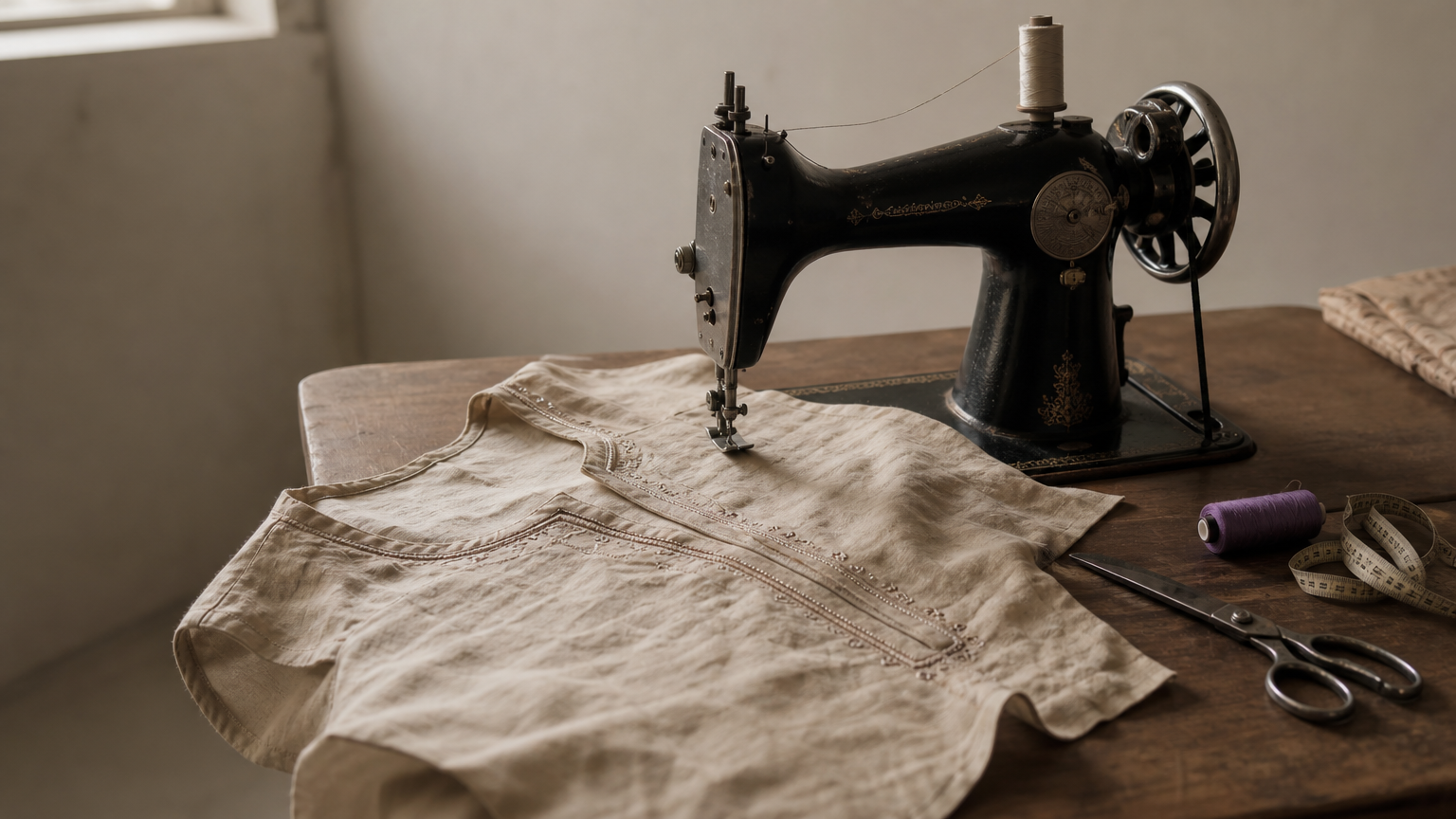
Tailoring and alterations means stitching new outfits and fixing existing ones from a room at home. Alterations bring steady small jobs, while blouses, kurtas and kidswear usually earn more per garment.
How it works and who it suits
Customers drop off clothes or fabric, you take measurements, agree a delivery date and collect a part payment. Alteration work such as hems and zips fills the gaps between bigger orders.
This suits anyone with real sewing skill, including those who trained years ago. If you design but do not stitch, run a home boutique and pay a tailor per piece.
Write down measurements and take an advance on every stitching order.
What it costs to start
A new setup costs about ₹17,000, and less if you already own a machine.
- Basic sewing machine: ₹10,000
- Iron, scissors, measuring tape and chalk: ₹3,000
- Threads, buttons, zips and lining stock: ₹4,000
- Total: ₹17,000
Getting your first customers
Begin with alterations for neighbours, which build trust fast. Share before-and-after photos on WhatsApp status and Instagram.
List your services in a Pi-Square catalogue with photos, use custom notes for measurements, and issue GST compliant invoices when you need them. Whether you must register for GST depends on your turnover, so ask a tax advisor.
5. Freelance IT and digital services
Freelance IT and digital services means selling website building, app fixes, design, content writing or social media management to small businesses from your laptop. Among small IT business ideas, it needs no stock and scales with skill.
How it works and who it suits
Choose one service for one type of client, such as websites for local clinics or Instagram management for home bakeries. Find work through direct outreach and freelance platforms, and quote per project or a monthly retainer.
Developers, designers, writers and marketers with a portfolio of three small projects can start. Clients care about work samples, so show real results.
Sell one clear service to one type of client, and referrals will follow.
What it costs to start
If you already own a laptop and a connection, plan for about ₹10,500, mostly on skills and tools.
- Portfolio website, domain and hosting for a year: ₹1,500
- Design and productivity software subscriptions: ₹3,000
- Mobile data or broadband backup: ₹1,000
- One paid course to sharpen your main skill: ₹5,000
- Total: ₹10,500
Getting your first customers
Do two or three pilot projects at low prices for local shops, then ask for a written recommendation to show prospects.
Use one link for your service catalogue so a client can enquire, book a call and pay an advance. Pi-Square’s service links work for consultations and enquiry-led work without forcing checkout, and its invoices keep your billing professional.
6. Handmade candles, jewellery and gifts
Handmade products means making candles, jewellery, resin art or personalised gifts at home and selling them online and at local events. Gifting around festivals, weddings and birthdays gives you recurring seasons for a low investment home small business.
How it works and who it suits
You make small batches, photograph them well and sell through Instagram, WhatsApp and online marketplaces. Personalisation, such as a name or colour choice, lets you charge above mass-market prices.
Creative people who enjoy repeat production do well. Start with one product family, such as soy candles, because a narrow range simplifies sourcing and photography.
A narrow range, well photographed and personalised, outsells a wide range shot badly.
What it costs to start
Plan for about ₹15,000 in the first batch, with materials as the largest share.
- Raw materials and moulds: ₹8,000
- Jars, boxes and gift packaging: ₹4,000
- Product photos with a phone, backdrop and props: ₹1,000
- Promotion and a first festival stall or listing: ₹2,000
- Total: ₹15,000
Getting your first customers
Sell to friends, colleagues and local pop-up markets first, so you learn which designs move. Then take bulk gifting enquiries ahead of festivals.
When you outgrow the Pi-Square Free plan’s 100 orders a month or 100 items, the Pro plan at ₹300 a month, or ₹3,000 a year, gives unlimited orders, 1,000 items and a custom domain for your own brand store. Variants, gift packing and custom notes handle personalised orders.
Pick one idea and test it small
All six ideas start under ₹30,000 and run from your home. Match the idea to the skill you already own: cooking for a tiffin service or bakery, teaching for tutoring, sewing for tailoring, a laptop skill for freelance IT work and craft for handmade products.
Then test small. Serve ten customers, note what they ask for and what costs you the most, and only then buy bigger equipment. Take advances and write down every order from day one.
When you are ready to take orders, create your free Pi-Square commerce link and share it on WhatsApp.